 By admin
Technology is transforming how people discover products, compare prices, interact with brands, and complete purchases. The shopping experience is no longer limited to visiting physical stores or browsing simple online catalogs. Instead, consumers now engage with intelligent recommendation systems, mobile payment tools, virtual product previews, and integrated digital marketplaces that reshape expectations across retail environments.
Retailers are investing heavily in digital innovation to improve convenience, personalization, and operational efficiency. These changes influence both customer behavior and business strategy, creating a shopping ecosystem that blends physical and digital experiences seamlessly. Understanding how technology is changing the future of shopping helps consumers and organizations prepare for continued transformation across the retail landscape.
Technology driven innovation continues redefining what convenience and accessibility mean in modern commerce.
Rise of E Commerce Platforms Expanding Shopping Accessibility
Online marketplaces have dramatically expanded access to products from across the world. Consumers can compare options quickly and complete purchases without traveling to physical stores.
E commerce platforms improve accessibility through:
- global product availability
- extended shopping hours beyond store schedules
- simplified product comparison tools
- convenient delivery coordination options
- flexible payment method integration
Digital access supports more efficient purchasing decisions.
Expanded availability strengthens consumer choice across categories.
Role of Mobile Shopping Applications in Everyday Purchases
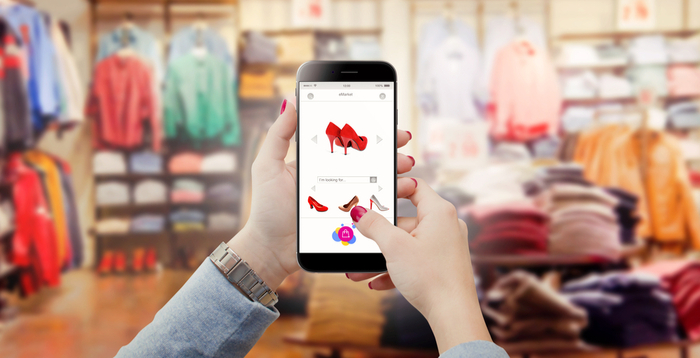
Smartphones have become central tools for modern shopping behavior. Mobile applications allow customers to browse products, manage wish lists, and track deliveries in real time.
Mobile shopping advantages include:
- instant product discovery during daily routines
- simplified checkout workflows
- location based promotion visibility
- secure mobile wallet integration
- delivery tracking notifications
Mobile access improves convenience across purchasing journeys.
Smartphone integration strengthens customer engagement continuity.
Personalization Technologies Supporting Individualized Shopping Experiences
Retail platforms increasingly use personalization tools to recommend products based on customer preferences and browsing patterns. These tools improve relevance across shopping interactions.
Personalization technologies support:
- tailored product recommendations
- customized promotional offers
- individualized homepage layouts
- targeted search result prioritization
- personalized loyalty program incentives
Relevant recommendations improve decision efficiency.
Personalization strengthens long term customer relationships.
Artificial Intelligence Enhancing Product Discovery Processes
Artificial intelligence helps retailers analyze customer behavior and predict purchasing preferences more accurately. These capabilities improve how shoppers navigate digital storefronts.
Artificial intelligence applications include:
- predictive recommendation systems
- automated customer support chat services
- visual search recognition tools
- inventory demand forecasting support
- personalized marketing content generation
AI driven discovery improves browsing efficiency.
Advanced analytics strengthen product visibility alignment.
Augmented Reality Supporting Virtual Product Visualization
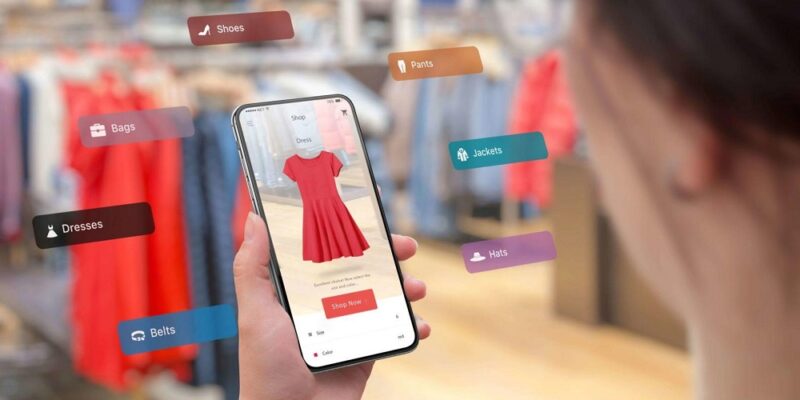
Augmented reality tools allow customers to preview products before making purchasing decisions. These features improve confidence by showing how items may appear in real environments.
Augmented reality capabilities include:
- virtual clothing fitting previews
- furniture placement visualization tools
- cosmetics shade matching simulations
- home decor arrangement testing environments
- product size comparison features
Visualization tools reduce uncertainty during decision making.
Interactive previews strengthen purchase confidence.
Contactless Payment Systems Improving Checkout Efficiency
Digital payment technologies have simplified checkout experiences across both physical and online stores. Contactless systems support faster and more secure transactions.
Payment innovations include:
- mobile wallet integration
- biometric authentication support
- tap based checkout processes
- digital receipt management systems
- real time transaction confirmation tools
Efficient payment methods improve customer satisfaction.
Secure transactions strengthen trust in digital retail systems.
Role of Smart Stores in Enhancing In Store Experiences
Physical retail environments continue evolving through smart store technologies that integrate sensors, automation, and analytics tools.
Smart store features may include:
- automated checkout lanes
- digital shelf labeling systems
- real time inventory tracking tools
- personalized in store promotion displays
- intelligent product recommendation kiosks
Smart environments improve operational efficiency.
Technology enhances in store customer engagement.
Integration of Omnichannel Retail Strategies Across Shopping Platforms
Modern retailers increasingly combine online and physical store experiences into unified omnichannel strategies. These approaches support seamless interaction across multiple shopping environments.
Omnichannel benefits include:
- flexible order pickup options
- synchronized cart management across devices
- consistent pricing visibility across platforms
- integrated loyalty program participation
- unified customer service support channels
Connected experiences improve convenience across purchasing journeys.
Omnichannel coordination strengthens brand consistency.
Role of Data Analytics in Supporting Retail Decision Making
Retail organizations rely on analytics tools to understand purchasing trends and customer preferences more accurately. These insights support improved inventory planning and marketing strategies.
Analytics supported decisions include:
- product demand forecasting
- promotion performance evaluation
- customer segmentation planning
- pricing optimization strategies
- supply chain coordination improvements
Data driven planning improves operational responsiveness.
Analytics strengthen retail competitiveness across markets.
Supporting Sustainable Shopping Through Technology Innovation
Technology also supports sustainability efforts across retail supply chains. Digital platforms help customers make informed decisions about environmentally responsible products.
Sustainability innovations include:
- product lifecycle transparency tools
- packaging reduction tracking systems
- carbon footprint visibility indicators
- digital receipt alternatives
- supply chain traceability platforms
Transparency improves consumer awareness.
Responsible innovation supports long term environmental goals.
Role of Social Commerce in Influencing Purchasing Behavior
Social media platforms increasingly function as shopping environments where customers discover products through content creators and community recommendations.
Social commerce benefits include:
- interactive product demonstrations
- real time customer feedback visibility
- direct purchase integration within platforms
- influencer supported product discovery
- community driven recommendation networks
Social interaction strengthens product awareness.
Community engagement influences purchasing decisions.
Supporting Faster Delivery Through Logistics Technology Advancements
Delivery expectations continue evolving as logistics technology improves coordination between warehouses, retailers, and transportation providers.
Delivery improvements include:
- real time shipment tracking visibility
- optimized delivery route planning systems
- automated warehouse management tools
- faster fulfillment coordination platforms
- flexible delivery scheduling options
Efficient logistics improve customer satisfaction.
Technology strengthens supply chain coordination reliability.
Role of Voice Commerce in Simplifying Shopping Interactions
Voice activated assistants allow customers to search for products and place orders using natural language commands. These tools support convenient hands free shopping experiences.
Voice commerce features include:
- product search assistance
- reorder support for frequently purchased items
- delivery status updates
- personalized recommendation interaction
- shopping list management coordination
Voice interaction improves accessibility across digital retail environments.
Natural language interfaces simplify purchasing workflows.
Future Trends Shaping the Next Generation of Shopping Experiences
Retail innovation continues advancing as emerging technologies improve personalization, automation, and logistics coordination across shopping ecosystems.
Future developments may include:
- expanded virtual reality shopping environments
- improved predictive inventory planning tools
- enhanced personalization analytics integration
- stronger collaboration between retailers and technology providers
- deeper integration between digital and physical retail experiences
These innovations will continue shaping how consumers interact with products and services across retail platforms.
Technology driven transformation remains central to the future evolution of shopping experiences.
FAQ Section
How has technology changed shopping behavior in recent years
Technology has made shopping faster, more personalized, and accessible through mobile applications, digital marketplaces, and smart retail environments.
What is omnichannel retail in modern shopping systems
Omnichannel retail connects online and physical store experiences to provide consistent service across multiple platforms.
How does artificial intelligence improve product recommendations
Artificial intelligence analyzes customer behavior patterns to suggest products that match individual preferences more accurately.
Are contactless payments safe for everyday purchases
Contactless payments use encryption and authentication technologies that support secure transaction processing.
How does augmented reality help customers choose products
Augmented reality allows shoppers to visualize how products may look or fit before purchasing them.
What role does logistics technology play in online shopping
Logistics technology improves delivery speed, tracking accuracy, and coordination between warehouses and transportation providers.
Can technology support sustainable shopping decisions
Yes. Digital platforms provide transparency about product sourcing and environmental impact to help consumers make informed choices.