 By admin
Food production is facing challenges. Things are tough with more people, less farm space, and crazy weather. Farming businesses are dumping a lot of money into tech to get ahead, just like everyone else.
Money Talks, Technology Walks
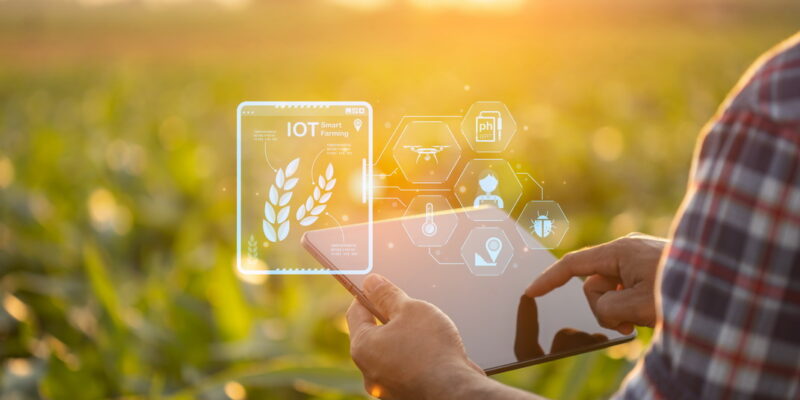
Farming has always been a penny-pinching business. It requires careful resource management. But consider this scenario: various sensors are dispersed across a field, and each provides data regarding moisture levels in its small section of land. Watering crops quickly changes. It no longer resembles a method similar to using a fire hose. Now it is like using a delicate brush. When less water is used, expenses decrease and plants flourish.
The real game-changer? Software that analyzes numbers with exceptional speed. Weather forecasts, commodity prices, and last decade’s harvest data are combined in a complex calculation. Weeks in advance, agricultural firms can now determine the optimal planting day, change crops based on current price trends, and even secure insurance against future storms. In the past year, farms and agricultural businesses worldwide invested billions in this type of technology. That’s a significant sum, definitely not pocket change.
IoT Farming Solutions Change the Game
Walk through a modern dairy operation and you’ll see cows wearing what amounts to fitness trackers. According to the good folk at Blues IoT, these IoT farming solutions track where Bessie wanders, how much she eats, her milk output. If she starts acting odd, maybe she’s sick, maybe stressed, the farmer gets a ping on their phone. Catching problems early keeps the whole herd healthy.
Crop farmers have their own set of strategies and methods. Like mechanical hawks, drones buzz above, their cameras recording views that the farmers, working the land below, cannot perceive. Is that section of the wheat field looking a bit down? The cause could be bugs, or perhaps the plant is suffering from low nitrogen levels. The drone knows. Meanwhile, hidden moisture sensors communicate with the sprinkler systems. They activate and deactivate the water flow. Just like a thoughtful neighbor caring for your plants while you are away. Some farms using this method slashed their water consumption by almost a third. Incredibly, their yields got better.
When Workers Disappear, Robots Step In
Finding farm workers gets tougher every year, especially in wealthy countries. Enter the machines. Imagine a robot with nimble fingers. It is gently picking strawberries, as if each one was made of glass. The tractors are guided by GPS. They drive themselves through the night. Their engines hum while the farmer sleeps soundly. During the harvest, when the air is thick with the scent of ripening grain, these machines work relentlessly. They don’t need to stop.
But here’s what’s interesting. Technology doesn’t just replace workers. It turns remaining jobs into something different. One person with an iPad can run three tractors at once, watching their progress like a kid playing a farming video game. Except this game pays better and requires actual skill. Farm work starts looking less like backbreaking labor and more like technical troubleshooting.
Conclusion
Agricultural companies aren’t buying technology simply to keep up with the latest trends. They are purchasing items to ensure their survival. Those who adjust their operations rapidly can seize opportunities. They can cut down on inefficiency and avoid potential setbacks. Those that drag their feet? They’ll struggle to compete, especially when the pressure of every dollar spent is felt. As the planet faces more challenges in feeding its population and environmental regulations become stricter, it’s likely that tech spending will rise instead of fall. Tomorrow’s farms won’t resemble today’s and agricultural executives are placing their bets accordingly.